
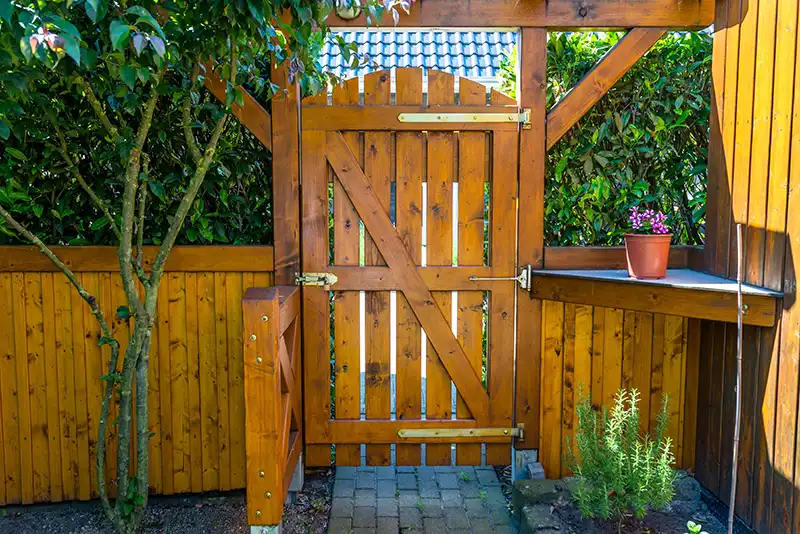
Investing in a wood fence adds timeless beauty, privacy, and natural charm to any residential property. However, understanding how long your fence will endure helps you plan maintenance budgets and protect your long-term investment.
With consistent care and proper installation, a quality wood fence typically lasts anywhere from fifteen to thirty years depending on the wood species used. Taking proactive measures against moisture, insects, and sun damage ensures your perimeter structure remains strong and visually appealing for decades.
Choosing Long-Lasting Wood Species
Selecting the right lumber species plays a foundational role in determining how many decades your fence will stay structurally sound. Naturally decay-resistant woods like cedar and redwood outlast untreated softwoods, while pressure-treated pine offers excellent budget-friendly durability against rot.
- Western Red Cedar contains natural oils that repel insects and resist moisture absorption for twenty years or more
- Redwood provides exceptional stability, rich color, and natural rot resistance, often lasting up to thirty years with proper care
- Pressure-treated pine utilizes chemical preservatives to fight off fungal decay and insect attacks, providing a reliable fifteen to twenty-year lifespan
Choosing high-grade lumber upfront reduces the frequency of future repairs and structural failures. High-quality wood species withstand environmental stresses far better than lower-grade alternatives, setting the stage for maximum longevity.
Routine Cleaning and Debris Removal
Regular maintenance prevents organic material like leaves, dirt, and moss from trapping destructive moisture against wood fibers. Trapped moisture accelerates fungal growth and rot, drastically shortening the operational life of fence pickets and posts.
- Power wash or scrub the fence panels annually using mild cleaning solutions to remove dirt, mold, and mildew buildup
- Clear away fallen leaves, soil accumulations, and heavy vegetation around the base of fence posts
- Trim back overhanging tree branches and thick shrubs to allow sunshine and fresh air to dry the wood after rainfall
Keeping your fence clean and free of wet debris prevents rot from taking root in hidden corners. Simple seasonal cleaning routines keep the wood dry, healthy, and structurally resilient throughout changing weather patterns.
Applying Protective Stains and Sealants
Applying high-quality exterior sealants or penetrating oil-based stains shields natural wood fibers from damaging ultraviolet rays and water penetration. Unprotected wood absorbs rainwater, causing fibers to swell, warp, crack, and turn gray over time.
- Apply a water-repellent sealant or pigmented stain every two to three years to maintain a protective barrier
- Opt for oil-based stains that penetrate deep into the wood grain rather than surface coatings that chip and peel
- Test water resistance annually by sprinkling water on the wood; if it soaks in rather than beading up, reapplication is needed
Consistent sealing prevents the severe warping and splitting caused by constant freeze-thaw cycles and intense sun exposure. This protective layer acts as a permanent shield, adding years of vibrant life to your natural wood fence.
Soil Clearance and Ground Moisture Control
Preventing direct contact between untreated wood pickets and moist soil is critical for preventing ground-line rot. Fence posts set directly in soil without proper drainage or concrete footings often rot from the bottom up within just a few years.
- Maintain a clearance gap of two to three inches between the bottom of fence pickets and the lawn or garden bed
- Set fence posts in concrete footings wrapped in gravel bases to facilitate proper drainage away from the post bases
- Adjust lawn sprinklers so they do not spray directly onto fence panels during routine irrigation cycles
Controlling moisture around the base of your fence protects the most vulnerable structural components. Proper elevation and drainage keep post bases dry, ensuring the fence remains upright and stable year after year.
Addressing Minor Repairs Promptly
Performing small, timely repairs prevents isolated damage from spreading across entire fence sections during severe storms. Replacing broken fasteners, sagging gates, or cracked pickets early preserves the structural integrity of the surrounding framework.
- Inspect fence posts, rails, and pickets twice a year for loose nails, rust stains, or signs of insect damage
- Re-tighten loose hardware and replace rusted steel fasteners with hot-dipped galvanized or stainless steel screws
- Replace severely warped or rotted pickets immediately before structural strain damages adjacent fence boards
Proactive spot repairs cost very little compared to full section replacements. Addressing small issues quickly keeps your entire perimeter system aligned, secure, and structurally sound for its full expected lifespan.
Maximize the Lifespan of Your Natural Wood Fence
Taking a proactive approach to wood fence care turns a standard outdoor structure into an enduring property asset. By choosing durable materials, sealing out moisture, and performing timely inspections, you can easily extend your fence’s service life toward the thirty-year mark.
A well-maintained wood fence continues to deliver privacy, security, and exceptional curb appeal year after year. Start implementing a consistent maintenance routine today to protect your yard investment and keep your property looking its best.