
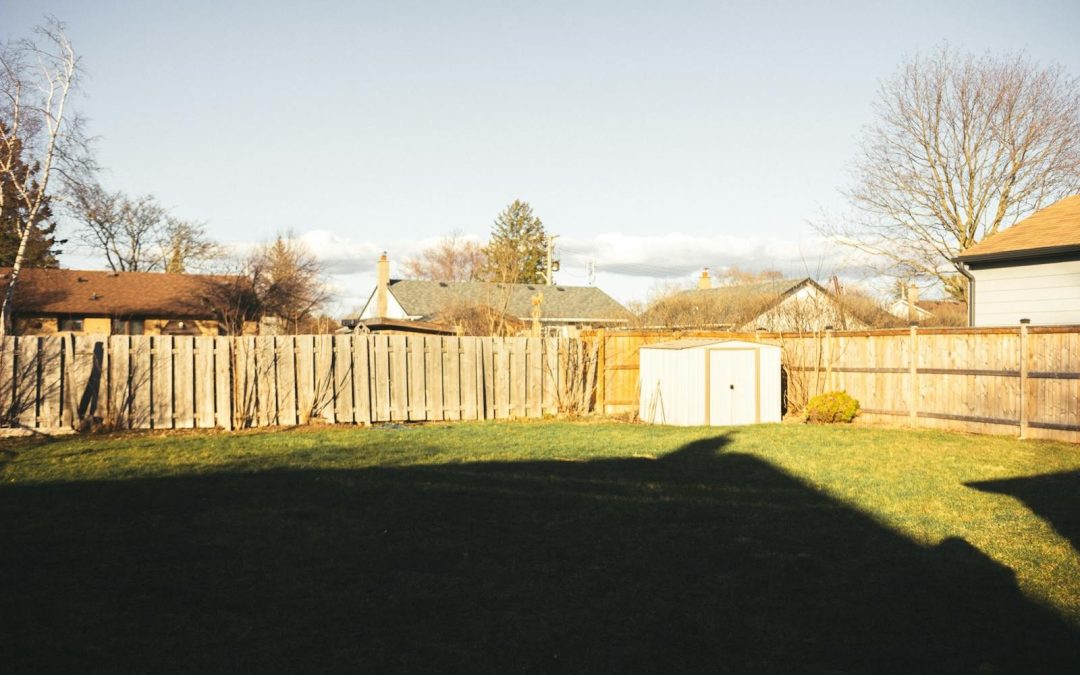
A wood privacy fence is a beautiful and functional addition to any property, but its organic nature makes it vulnerable to the elements. Without a dedicated maintenance plan, the cycle of sun, rain, and temperature shifts will inevitably lead to warping, rot, and structural failure.
Protecting this investment requires a proactive approach that addresses small issues before they become unmanageable. By following a consistent care routine, you can ensure your fence remains a sturdy and attractive boundary for your home for twenty years or more.
Annual Structural Inspections and Hardware Checks
The longevity of a fence begins with its skeletal integrity, which can be compromised by shifting soil or heavy winds. Once a year, you should walk the entire perimeter to identify any components that have loosened or shifted out of alignment.
- Inspect every fence post for “wobble” by applying firm pressure to ensure the base remains securely anchored in the ground.
- Tighten or replace any rusted screws and nails that have begun to pull away from the pickets or rails.
- Lubricate gate hinges and latches with a silicone-based spray to prevent friction-related wear and sagging.
Catching a loose post or a stripped screw early prevents the weight of the fence from causing a chain reaction of structural stress during the next storm.
Professional Cleaning and Debris Removal
Organic growth, like algae, moss, and mildew, can trap moisture against the wood fibers, accelerating the decay process. Regular cleaning removes these biological threats and restores the natural appearance of the lumber.
- Use a specialized wood cleaner and a soft-bristle brush to scrub away grey oxidation and green algae stains.
- Avoid using a high-pressure power washer at close range, as this can shred the wood fibers and create a fuzzy, damaged texture.
- Clear away piles of wet leaves or tall grass from the base of the fence to allow the bottom of the pickets to dry out completely.
Removing the “biofilm” from your fence not only improves its appearance but also ensures the wood remains breathable and resistant to rot.
Strategic Staining and Sealing Cycles
The sun’s UV rays are the primary cause of wood becoming brittle and “silvering” over time. A high-quality stain acts as sunscreen for your fence, while a sealer provides a water-resistant barrier that prevents the wood from swelling.
- Apply a semi-transparent or solid stain every two to three years depending on the intensity of the local sun exposure.
- Choose products with high paraffin or oil content to keep the wood supple and prevent the deep cracking known as “checking.”
- Perform a “water bead test” by splashing a few drops on a picket; if the water soaks in immediately, it is time for a new coat of sealer.
Consistent staining is the most effective way to block moisture and UV damage, which are the two leading causes of premature fence replacement.
Vegetation Management and Perimeter Clearance
While climbing vines and thick bushes can look beautiful against a wooden backdrop, they are often detrimental to a fence’s lifespan. Vegetation traps humidity against the wood and can even provide a “bridge” for wood-destroying insects like termites and carpenter ants.
- Trim back shrubs and tree branches so they maintain at least a few inches of clearance from the fence panels.
- Remove invasive vines that can wrap around pickets and put excessive weight on the horizontal stringers.
- Ensure that irrigation sprinklers are adjusted so they do not spray directly and repeatedly onto the wooden surface.
Maintaining a clear “air gap” around your fence allows for proper ventilation, ensuring the wood dries quickly after a rainstorm.
Prompt Repair of Individual Pickets and Rails
Damage from lawnmowers, falling branches, or neighborhood activity is bound to happen over a twenty-year period. Replacing a single damaged board immediately prevents the structural load from shifting and damaging adjacent panels.
- Keep a few spare pickets and a small can of matching stain on hand for quick “spot repairs” throughout the year.
- Address “cupping” or “bowing” boards by adding additional fasteners to pull the wood back into a flat position.
- Check the “kickboard” or bottom rail for signs of ground contact and replace any sections that show early signs of soft rot.
Proactive repairs keep the fence looking uniform and prevent minor cosmetic flaws from turning into major structural vulnerabilities.
Preserving Your Perimeter Investment for the Long Haul
A well-maintained wood privacy fence serves as a testament to your home’s overall care and attention to detail. Committing to these simple maintenance steps ensures that your property remains secure, private, and aesthetically pleasing for many seasons to come.
The effort you put into your fence today will be rewarded with decades of reliable service and enhanced curb appeal. By treating your wood fence as a living component of your landscape, you protect its value and its beauty indefinitely.